
Why You Can't Speak Japanese Even After Years of Studying
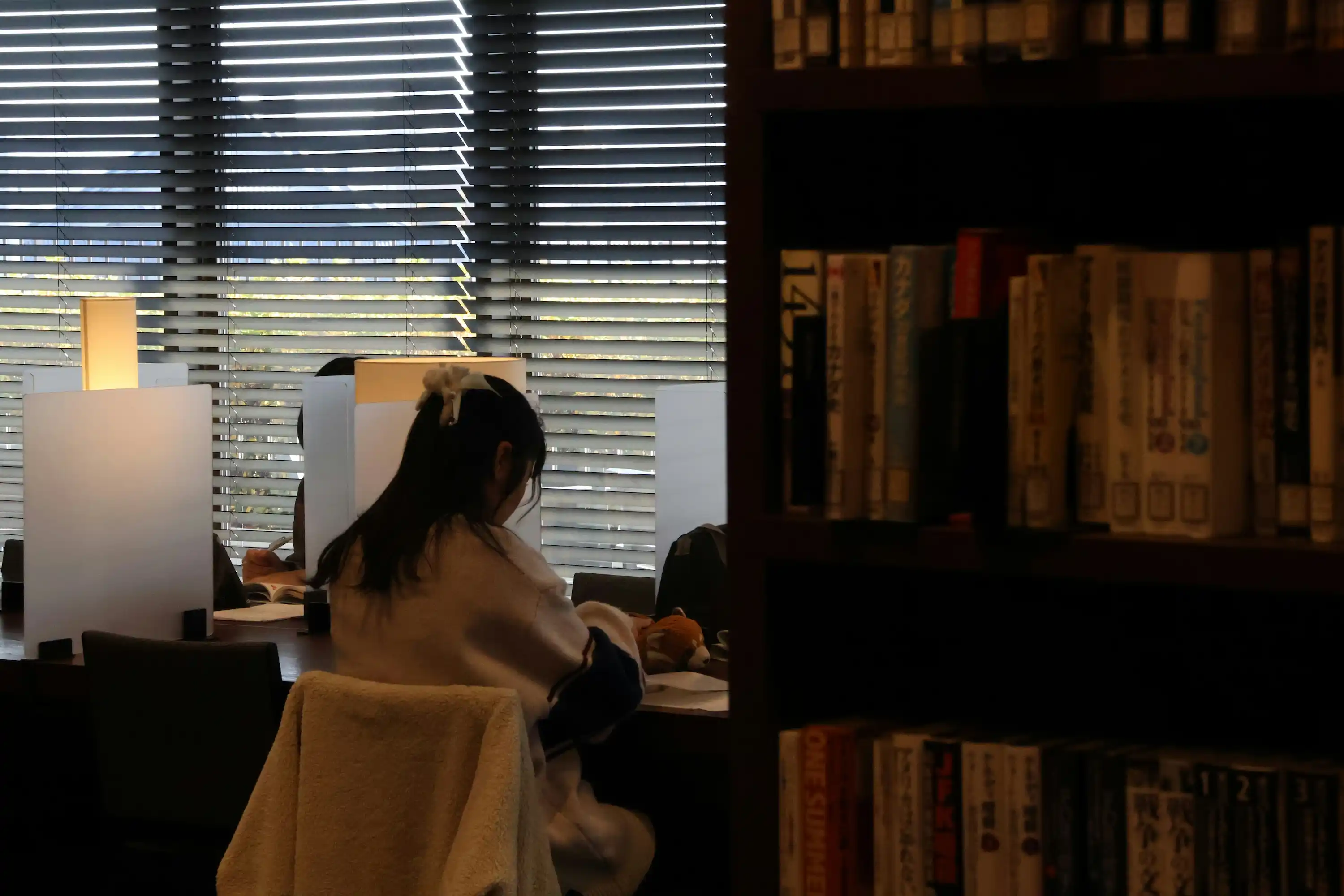
A year of studying Japanese. Both Genki books completed. Hiragana, katakana, hundreds of vocabulary words, verb conjugations, grammar patterns. You put in the time. You did the work.
Then you land in Japan and it feels like you know nothing.
That was my experience. I'd finished Genki 1 and 2, which puts you roughly at beginner N3 level, not nothing. But standing in Japan, listening to real people talk, I was completely lost. The speed, the expressions, the casual speech, none of it matched what I had spent a year preparing for. I remember thinking I should have spent that time watching YouTube in Japanese or playing a visual novel instead of drilling grammar exercises. At least then my ear would have been ready.
If you've had a version of that experience, or you're afraid of having it, this article is about why it happens and what actually fixes it.
The uncomfortable truth about language study
Studying a language and acquiring a language are not the same thing.
Studying is what you do with a textbook. You learn rules, memorize vocabulary, practice conjugations, understand grammar structures. It builds knowledge. Real, useful knowledge that gives you a foundation to work from.
Acquiring is what happens when you absorb a language through exposure and use. It's slower, messier, and harder to measure. But it's what produces the ability to actually speak.
The problem with most Japanese learning methods is that they're almost entirely study. You finish Genki and you have a solid mental map of Japanese grammar. What you don't have is any real experience producing the language under pressure, at speed, in a real situation. Those are completely different skills and one doesn't automatically produce the other.
Why the gap feels so big
Japanese in a textbook is clean. Sentences are complete. Grammar is correct. Audio is recorded slowly and clearly so learners can follow along. It's designed to be understood.
Japanese in real life is none of those things. Sentences get cut short. Particles disappear. People talk fast, over each other, with expressions that never appeared in any textbook. The register is almost always more casual than what you practiced. And there's no pause button.
When you've only ever encountered the clean version, the real version sounds like a completely different language. Because in a practical sense it is.
This isn't a failure of effort or intelligence. It's a predictable result of a method that never exposed you to real Japanese or required you to produce it in real conditions.
The three specific things missing from most study routines
Real input at natural speed. Textbook audio is slowed down and over-enunciated. Your ear calibrates to that version of Japanese and struggles with the real one. You need exposure to native speech at actual conversational speed, even when it's hard to follow, because that's the only way your ear learns to process it.
Casual and colloquial Japanese. Genki teaches formal Japanese. Real conversations between friends, colleagues, and strangers in casual settings use a completely different register. Dropped particles, contracted forms, sentence-final expressions, casual verb endings, none of this gets enough attention in textbooks and all of it matters enormously for sounding and feeling natural.
Active speaking practice. This is the biggest gap. Most study routines involve reading, listening, and writing. Speaking out loud, at speed, without time to think, that's almost never part of the routine. But that's exactly what's required in a real conversation. The physical habit of producing Japanese quickly and automatically only develops through practice, not through understanding.
What actually closes the gap
The learners who come out of a year of study actually able to speak are almost always the ones who added real input and real speaking practice alongside their textbook work.
Real input means native content. Japanese YouTube, anime without subtitles, visual novels, podcasts aimed at native speakers. Content that was made for Japanese people, not for learners. It's harder to follow at first and that difficulty is the point. Your ear adapts to what it's exposed to most.
Real speaking practice means producing Japanese out loud regularly, not just understanding it. The most efficient method for doing this alone, without needing a conversation partner every day, is shadowing. You listen to natural Japanese audio and repeat it simultaneously, absorbing real rhythm and expression and pushing it back out through your own voice until it starts to feel automatic.
It's not glamorous. It doesn't feel like progress the way finishing a textbook chapter does. But it's what builds the ability to actually speak.
The reframe that helps
A year of Genki is not wasted time. The foundation is real and it matters. Grammar knowledge gives you something to attach new input to. Vocabulary recognition helps you follow native content faster than a complete beginner would.
The mistake isn't studying. The mistake is only studying, and measuring progress by study hours instead of by actual speaking ability.
If you've been studying for a while and still can't speak the way you want to, you don't need more grammar. You need to start producing the language out loud, with real audio, consistently enough that your mouth starts to catch up with your head.
That's what Tunanuki is built around. Structured daily shadowing sessions using natural Japanese dialogues, designed to build the speaking habit that most learners never develop. If you want to understand the method before trying it, this article on how shadowing works is the right place to start.
And if you want the practical side of building a daily speaking practice alone, this one on practicing Japanese by yourself covers exactly that.